Sensory Garden Series – Part 1: Sight
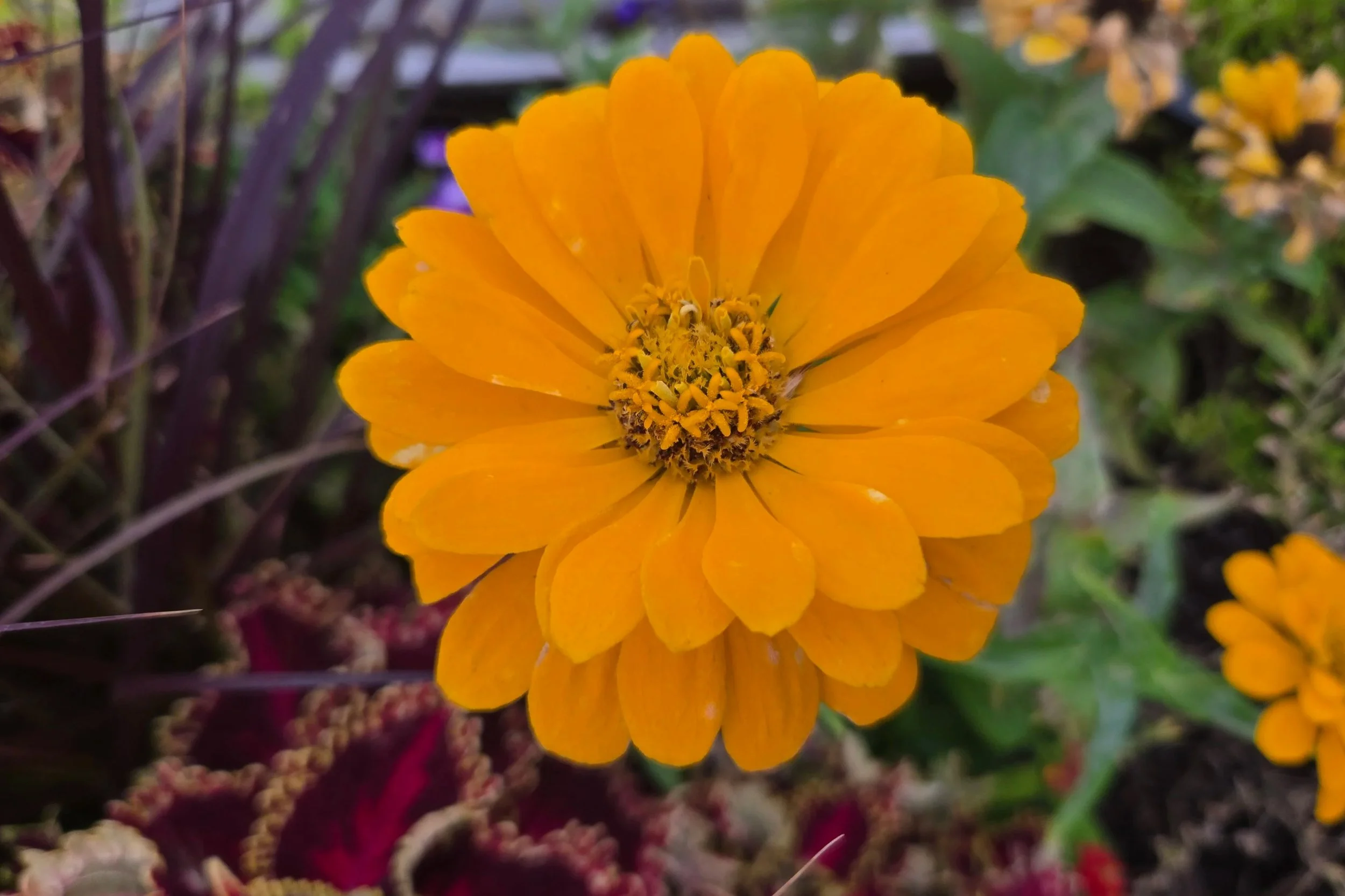
Bright Yellow Zinnia in the Garden
Have you ever stopped in a garden and found yourself completely captivated by the way sunlight dances through the leaves? Or noticed how a bright yellow flower seems to glow against a backdrop of deep green foliage?
Gardens have a wonderful way of inviting us to slow down, look closer, and discover beauty in places we might otherwise overlook.
A sensory garden is more than a collection of beautiful plants. It is a space intentionally designed to engage our senses, encourage exploration, spark curiosity, invite you to slow down and reset and create opportunities for connection with the natural world.
Over the next several months, we'll be exploring the eight senses through a series of posts about sensory gardens. Each month, we'll focus on a different sense and discover the many ways gardens can bring our senses to life.
And what better place to begin than with sight?
The Beauty of Seeing: More Than Just Pretty Flowers
When we think about a garden's visual appeal, flowers are often the first thing that comes to mind. Bright colors, beautiful blooms, and seasonal displays certainly have their place, but there is so much more to see!
A thoughtfully designed sensory garden offers an ever-changing visual experience. It encourages us to notice differences in color, shape, size, texture, movement, and light.
Consider the contrast between:
- The delicate, feathery appearance of ornamental grasses and the bold, architectural shape of a cactus.
- The vibrant colors of coneflowers and the soft silvery-green foliage of lavender.
- The tiny details of a flower's center and the sweeping shape of a tree's branches.
- The rich greens of summer and the warm golds, reds, and browns of autumn.
- The frost and snow clinging to seed heads and branches.
Every plant has its own visual personality. Combining different shapes, colors, and textures creates a garden that is interesting to explore, even when nothing is blooming.
Creating a Feast for the Eyes
You don't need an elaborate landscape or an enormous collection of plants to create a visually engaging sensory garden. Sometimes, the most meaningful experiences come from simple details.
There are many ways to achieve a thoughtful sensory space when considering sight.
1. Play With Color
Color can influence the atmosphere of a garden and create opportunities for discovery.
Bright reds, oranges, and yellows can bring energy and excitement. Blues, purples, and soft greens can create a feeling of calm and tranquility. White flowers can seem to glow in the evening light, while contrasting colors can make individual plants stand out.
There is no single right way to use color. The goal is to create visual interest and invite you to notice the world around us.
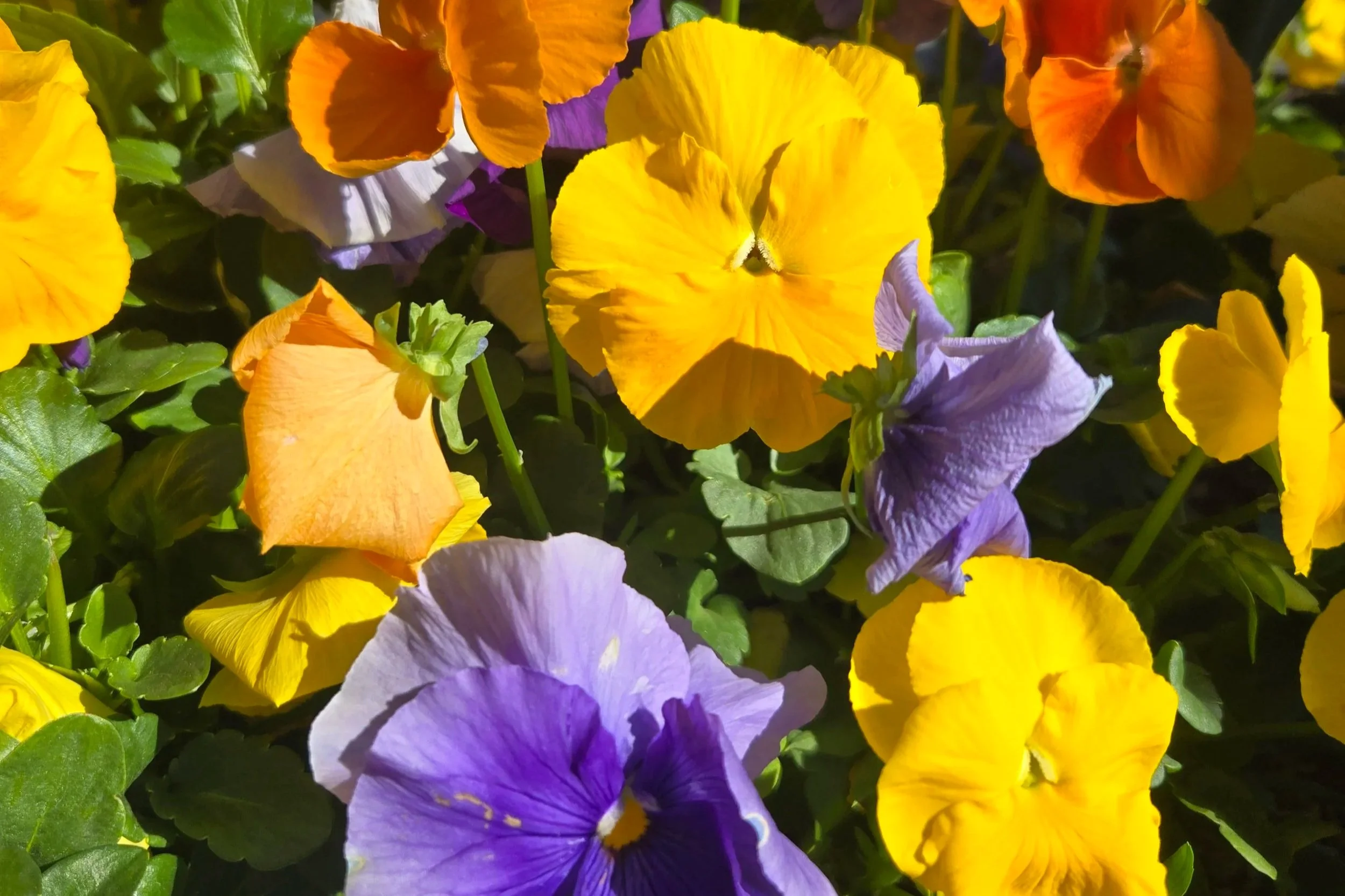
Yellow, Orange and Purple Pansies
2. Explore Shapes and Textures
Some plants are tall and upright. Others spread along the ground, form rounded mounds, or produce delicate, cascading foliage.
Ornamental grasses sway and dance in the breeze. Succulents create interesting geometric patterns. A well placed pinwheel adds movement and color.
Mixing different plant shapes and textures adds depth and dimension to a garden.

Bold Leaves and Bright Yellow Flower
3. Notice Light and Shadow
One of the most beautiful things about a garden is that it never looks exactly the same twice.
Morning sunlight can illuminate flower petals, afternoon light can create dramatic shadows, and evening light can give an entire garden a warm, golden glow.
Trees, trellises, solar lights, grasses, and other plants create constantly changing patterns as the sun moves throughout the day.
Consider adding plants with interesting silhouettes or creating spaces where visitors can observe how light filters through leaves.
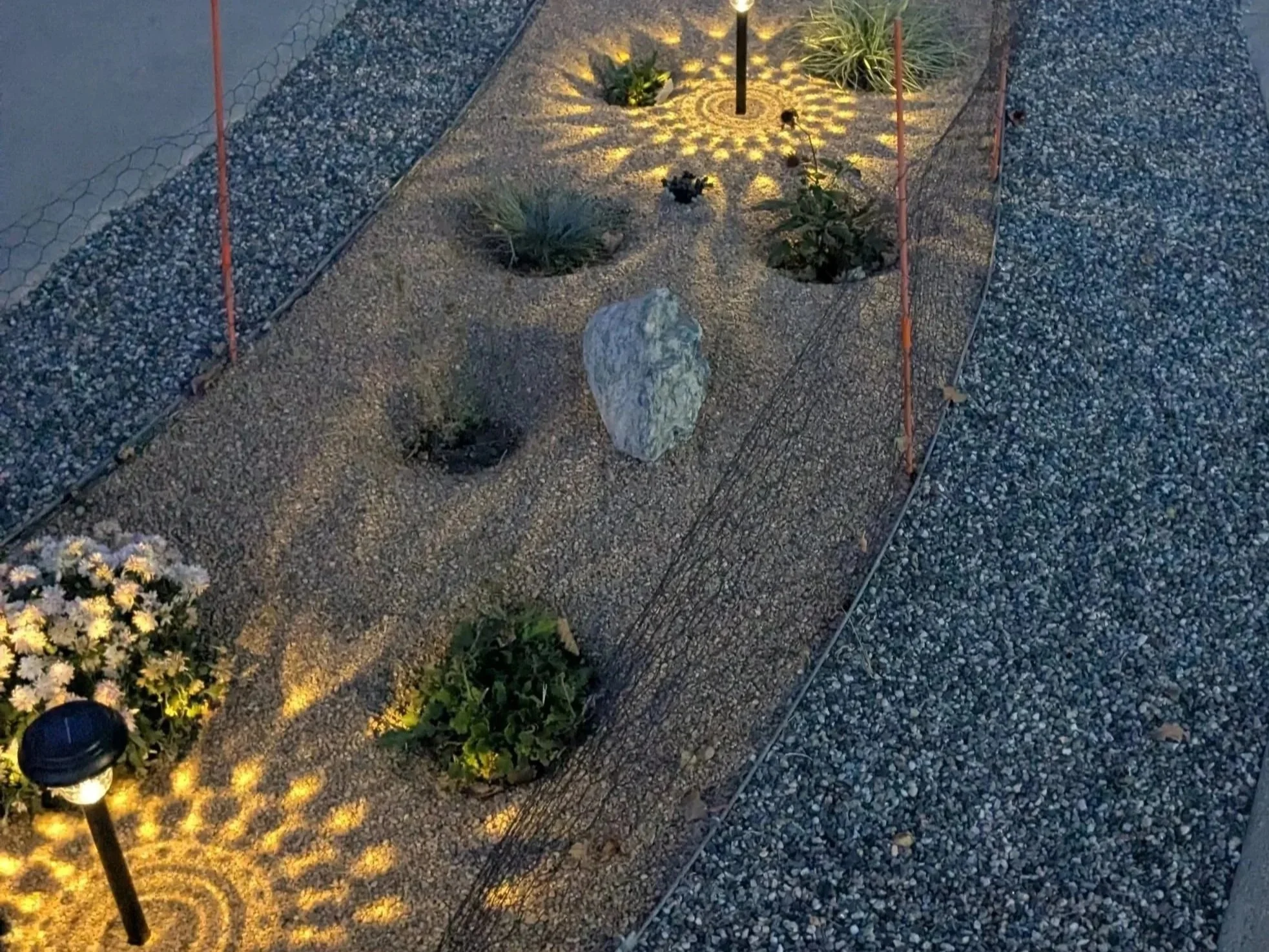
Garden Lights
4. Invite Movement
A garden isn't a static picture. It is alive!
Watch ornamental grasses bend in the wind, butterflies flutter between flowers, bees move from bloom to bloom, and leaves dance in the breeze.
These small movements bring a garden to life and give visitors something interesting to observe.
Adding plants that attract pollinators is a wonderful way to introduce movement and encourage people to notice the connections between plants, insects, and the environment.
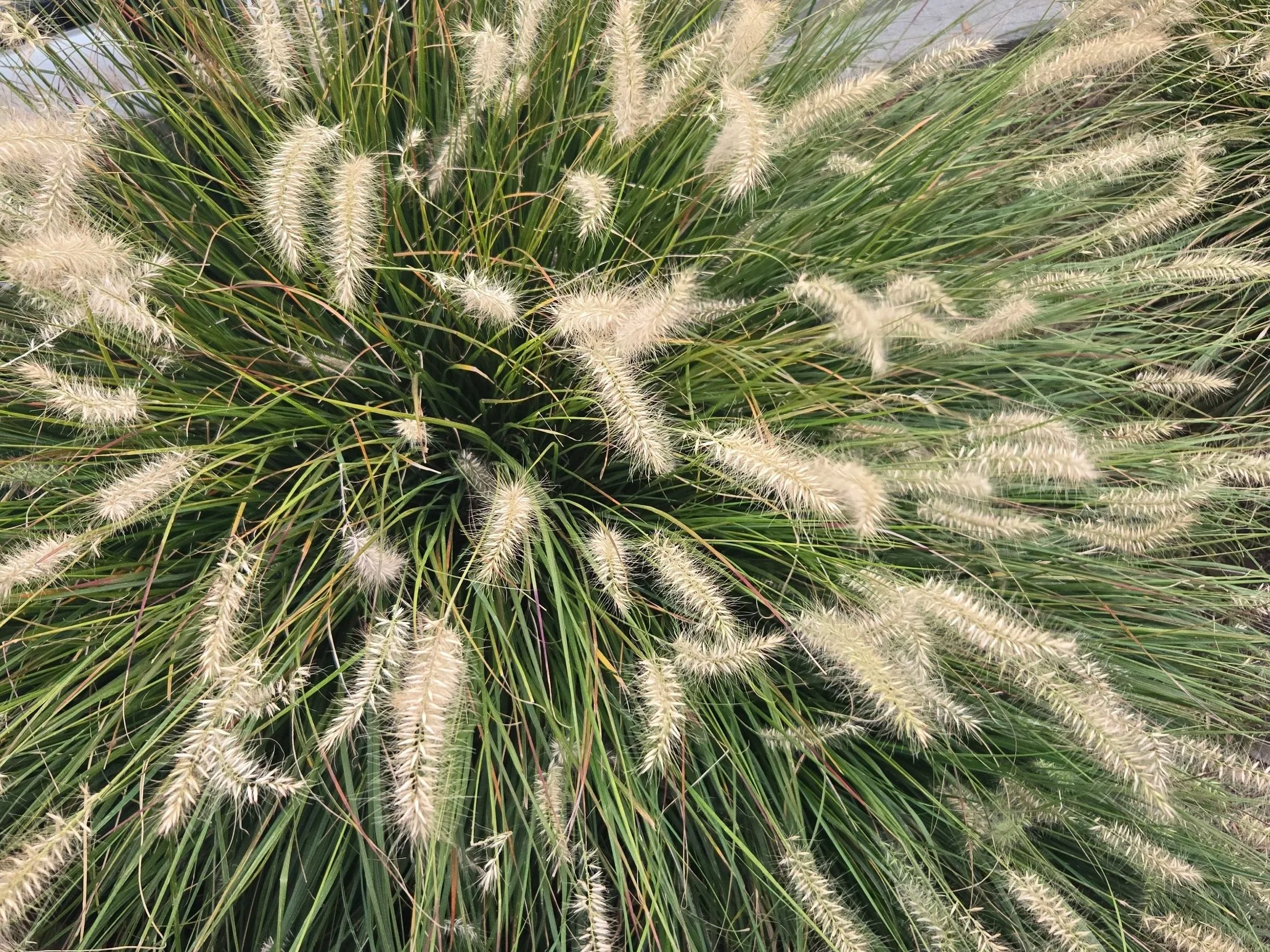
Wispy Ornamental Grass
5. Consider the little things
Sometimes the most fascinating things in a garden are the smallest.
The intricate veins of a leaf, the delicate structure of a flower, a tiny insect resting on a petal, or a drop of water balanced on a blade of grass can all become opportunities for discovery and focus.
You don't always have to look at the entire garden. Sometimes it's wonderful to focus on just one little thing.

Rain drops collecting on leaves
Making Sight Inclusive
An important part of sensory garden design is remembering that everyone experiences the world differently.
For some people, a garden filled with bright colors, contrasting patterns, and visual activity can be exciting and engaging. For others, a quieter arrangement with softer colors, simple patterns, and less visual stimulation may feel more comfortable.
Some may have low vision or other visual differences and benefit from high-contrast plantings, clearly defined pathways, or distinctive visual landmarks.
An intentional design creates the right space and experience for whatever feels best to you and meets your specific needs and desires.
There is no one-size-fits-all sensory experience.
An inclusive garden makes room for different ways of seeing, noticing, and experiencing the natural world. It offers choices rather than expectations and allows everyone to participate at their own pace.
The goal is growing a garden that inspires connection to self and to nature.
They give us opportunities to explore, observe, learn, relax, and connect with the world around us. They encourage curiosity and remind us that even the smallest details can bring joy.
Whether you have a sprawling backyard, a few containers on a patio, or a small community garden, you can create opportunities for meaningful visual experiences.
As you think about planning your garden, snap photos of plants that you like or of a neighbor's garden that speaks to you or even a favorite spot at a beloved park. We can help incorporate what inspires you into your very own sensory garden.
Stay tuned for next month's installment of our Sensory Garden Series, when we'll explore another wonderful way to experience the garden: SOUND.
Inspired by nature. Grown for everyone.